Website or Landing Page: What Do You Actually Need?
You call a web designer and the first thing you say is: I need a website. But are you sure you don't need a landing page? Here's how to tell.
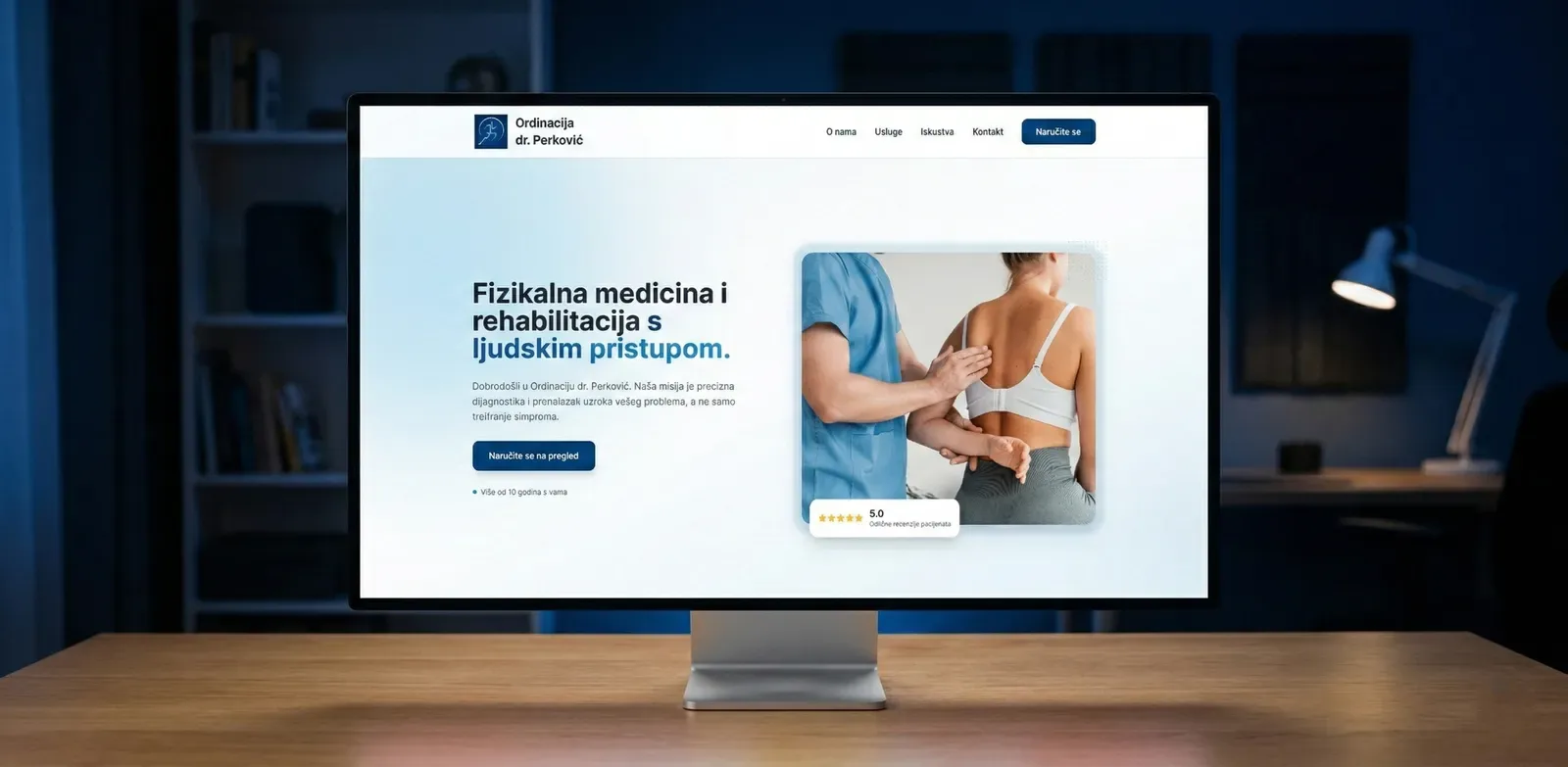
When a potential client calls Opus Studio, the conversation usually starts the same way: "I need a website." Sounds simple. But after a few questions, it often turns out they don't actually need a classic website at all. They need a landing page. Or it goes the other way: they ask for a landing page when what their business really needs is a full site.
The difference between the two isn't only technical. It decides how much you invest, how quickly you get online, and what you actually end up with for that money. So before you commit, it helps to know what each one does and when it's the right call.
What Is a Website
A website is the complete digital home of your business. It has several pages, like home, about, services, a portfolio or gallery, a blog, and contact. Each page has its own job and meets the customer at a different point in their decision.
Take a carpentry business. It might have a page with a gallery of finished work, a page listing services like kitchens, wardrobes, and decks, a page explaining the process, and a contact page. The visitor can wander around, read, browse, and only reach out once they've built up some trust.
A website pays off when:
- You offer several services or products and each one deserves its own space
- You have a portfolio of work that earns trust
- You want to rank on Google for a range of different terms
- You need room for a blog, reviews, or FAQs
- You want your online presence to feel like an established company
What Is a Landing Page
A landing page is one page with one goal. No navigation, no blog, no room to "wander." The visitor lands, sees a clear offer and some convincing proof, and hits one main button: book, buy, fill out the form, call.
Say a physiotherapy clinic is launching a new service. Instead of bolting another page onto their existing website, they build a landing page for that service alone. The page lays out the problem, presents the solution, shows a couple of testimonials, and offers to book an appointment right there. The whole thing fits on one page.
A landing page pays off when:
- You have one specific goal, like a product sale, a booking, or a webinar signup
- You're running a marketing campaign on Google Ads, Instagram, or Facebook
- You want to test a new service before investing in a full site
- You're not ready for a full online presence but you need something professional now
- You want the highest possible conversion rate, with nothing pulling attention away
The Key Difference: Purpose, Not Size
A lot of people assume a landing page is just "a small website." It isn't. The difference isn't size, it's purpose.
A website exists to inform. It walks the visitor through the story of your business and gives them reasons to trust you. Conversion is a nice result, but it's not the whole point.
A landing page exists to convert. Every element and every sentence pushes toward a single action. There's no "you might also like this," no "read our blog while you're here." The visitor either takes the action or leaves, and that's by design.
This is why landing pages tend to work so well for paid ads. When someone clicks your ad, dropping them on a homepage with ten different options is a waste. Send them instead to a page that speaks directly to whatever they clicked.
How to Decide: Three Concrete Scenarios
Scenario 1: A Craftsman Just Getting Online
You run a craft business, you do good work, you get referrals, but you have nothing online beyond maybe a Facebook profile. What do you need?
A website. You need your digital home, a place where potential customers can learn who you are, what you do, and why they'd pick you over someone else. A single landing page for a single service won't answer everything people want to know before they get in touch.
Scenario 2: You Already Have a Site but You're Launching a New Service
You've got a website, it runs fine, but now you want to launch a new product line or service. You're paying for Google Ads to drive interest. What do you need?
A landing page. You want that ad traffic going to a dedicated page built to convert, not to your homepage where people can lose the thread. One focus, one action.
Scenario 3: You Need Something Fast but You're Not Sure What You're Offering
You just started a business and you're still testing your offer. You don't yet know which service will land best. What do you need?
A landing page. Start with one page for your strongest offer and test the market. Once you see what works, invest in a complete website built around that proven offer.
How Much Each Option Costs
As a rule, a landing page costs less than a website, simply because there's less to build. One page, one goal, less design and writing and development.
But here's the catch: a landing page that actually converts isn't cheap just because it's short. A good one needs a clear strategy, copy that works, and an experience you've tested to guide the visitor toward the goal. If someone offers you a landing page for seventy kroner, that's probably not a landing page. That's an HTML document with some text on it.
A website costs more, but it gives back more over time. A well-built site works for years. It ranks on Google, builds your brand, and becomes the base for everything else you do in marketing.
The Bottom Line: The First Decision Before Design
Before you call a designer or agency, answer two questions for yourself.
First, what is the specific goal? If you have one clear goal, like a sale, a booking, or a lead, a landing page is probably right. If you have several goals, or you're building a brand for the long haul, you need a website.
Second, where are you in your business? If you're just starting out, a website lays the foundation. If you're already established and launching something specific, a landing page solves that one problem.
Both have their place, and there's no answer that's right for everyone. Get it wrong, though, and you'll either overpay for something you don't need or underpay for something that can't deliver.
Not sure what you need? Get in touch. At Opus Studio, we help you make the right decision before you start spending. Check out our projects and see how each one is tailored to the client's specific goal.